
_edited_e.jpg)
Creating a Balanced Healthy Indian Meal Plan for Preschoolers

Feeding preschoolers can be a challenge. They need nutritious food to grow strong and stay active. At the same time, meals must be tasty and easy to eat. I focus on creating a balanced healthy Indian meal plan that meets these needs. This plan includes a variety of foods from different groups. It helps children get the right nutrients every day.
Why a Healthy Indian Meal Plan Matters for Preschoolers
Preschoolers are at a critical stage of growth. Their bodies and brains develop rapidly. A healthy Indian meal plan supports this growth by providing:
Proteins for muscle and tissue development
Carbohydrates for energy
Fats for brain health
Vitamins and minerals for overall well-being
Fiber for digestion
Indian cuisine offers many options to include these nutrients in a child-friendly way. Using familiar ingredients makes it easier for children to accept new foods.
Key Components of a Healthy Indian Meal Plan
A balanced meal plan includes food from all major groups. Here is what I include in a typical day:
1. Grains and Cereals
Rice, chapati, or poha
Idli or dosa made from fermented batter
Whole wheat or millet-based options like ragi or bajra
2. Proteins
Lentils (dal), chickpeas, or kidney beans
Paneer (cottage cheese) or yogurt
Eggs or small portions of chicken or fish (if non-vegetarian)
3. Vegetables
Cooked carrots, beans, peas, spinach, or pumpkin
Include colorful vegetables to provide vitamins and minerals
4. Fruits
Seasonal fruits like banana, apple, papaya, or mango
Serve fresh or as a small fruit salad
5. Dairy
Milk or buttermilk
Yogurt or curd for probiotics
6. Fats
Use ghee or vegetable oils like mustard or sunflower oil in cooking
Include nuts like almonds or cashews in small amounts
7. Fluids
Water throughout the day
Fresh fruit juices or coconut water occasionally

Sample Daily Meal Plan for Preschoolers
Here is a simple, practical meal plan that I recommend. It balances taste and nutrition while keeping preparation manageable.
Breakfast
Vegetable upma or idli with sambar
A small bowl of fresh fruit (banana or papaya)
A glass of milk or buttermilk
Mid-Morning Snack
Roasted chana or a small handful of nuts
Water or fresh coconut water
Lunch
Chapati or rice
Dal or rajma (kidney beans)
Mixed vegetable sabzi (carrots, beans, peas)
Curd or raita
Afternoon Snack
Fruit smoothie with yogurt and seasonal fruits
A few whole grain biscuits or murmura (puffed rice)
Dinner
Khichdi (rice and lentils cooked together) with vegetables
A small bowl of salad (cucumber, tomato)
Warm milk before bed
This plan can be adjusted based on the child’s preferences and seasonal availability of ingredients.
Tips for Encouraging Healthy Eating Habits
Getting preschoolers to eat well is not just about what you serve. How you serve it matters too. Here are some tips I use:
Serve small portions to avoid overwhelming the child.
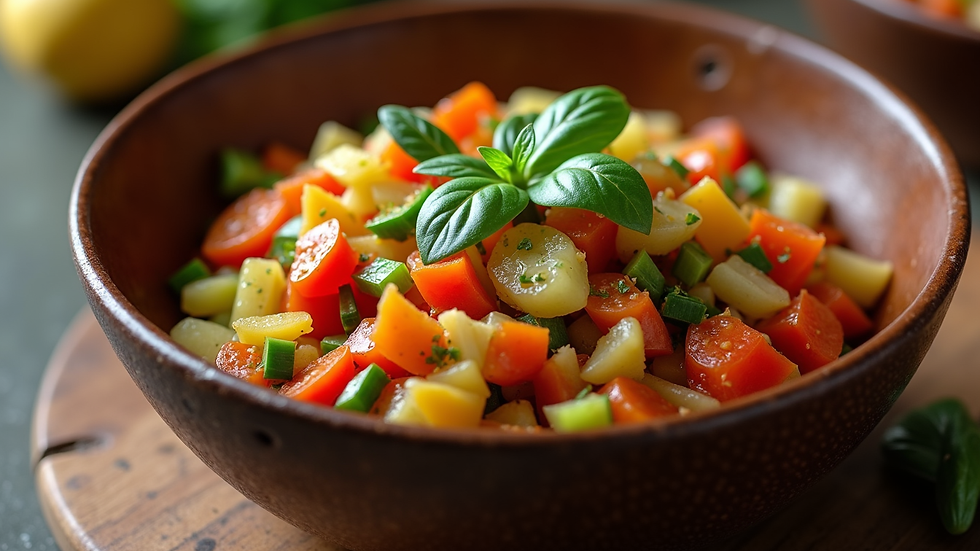
Make food colorful and visually appealing.
Involve children in meal preparation to increase interest.
Offer new foods alongside familiar favorites.
Keep mealtimes consistent and avoid distractions like TV.
Praise children when they try new foods.
Avoid forcing or pressuring them to eat.
These habits help children develop a positive relationship with food.
Using a preschooler meal plan indian can simplify your routine. It provides a clear guide to balanced meals that suit local tastes and nutritional needs.
Planning for Special Dietary Needs and Preferences
Some children may have allergies or dietary restrictions. Others may be picky eaters. Here is how I adapt the meal plan:
For lactose intolerance: Use plant-based milk like almond or soy milk.
For gluten sensitivity: Choose rice, millet, or maize-based dishes instead of wheat.
For picky eaters: Introduce new foods slowly and in small amounts.
For vegetarian families: Ensure enough protein from lentils, paneer, and nuts.
For non-vegetarian families: Include small portions of chicken, eggs, or fish.
Always consult a pediatrician or nutritionist if you have concerns about your child’s diet.
Final Thoughts on Creating a Balanced Healthy Indian Meal Plan
Creating a balanced healthy Indian meal plan for preschoolers is rewarding. It supports their growth and builds good eating habits. By including a variety of foods and keeping meals simple and tasty, you can make mealtime enjoyable for your child. Remember to stay flexible and patient. Every child is unique and may take time to adjust to new foods.
With a little planning and creativity, you can provide nutritious meals that your preschooler will love. This foundation will help them thrive both at home and in their early school years.
Olympia National School Pune supports parents in nurturing healthy habits alongside quality education. Our modern campus and technology-enabled learning environment create the perfect space for your child’s growth and development.
Olympia National School, Pune is a progressive CBSE-pattern school focused on building strong academic foundations through innovative, activity-based learning. With a no-school-bag approach in the early years, subject-themed classrooms, and equal emphasis on academics and sports, the school nurtures confident, curious, and well-rounded learners.


Comments